Managing grocery expenses is a crucial aspect of maintaining a healthy household budget, and saving on groceries.
With rising costs and fluctuating economic conditions, finding ways to save on groceries has become increasingly important for many families. Many families overspend on food monthly. If you can get that under control your entire budget has the potential to change. Fortunately, there are numerous strategies and tactics that can help individuals and households cut down on their grocery bills without sacrificing quality or nutrition. In this guide, we’ll explore various techniques to optimize your grocery shopping experience and maximize your savings. From leveraging online shopping to strategic bulk buying and mindful shopping practices, we’ll uncover the keys to reducing your grocery expenses while still enjoying delicious and nutritious meals. Whether you’re a seasoned budget-conscious shopper or just starting on your journey to financial wellness, these tips will empower you to make smarter choices at the supermarket and beyond.
Shopping Online for Convenience and Savings
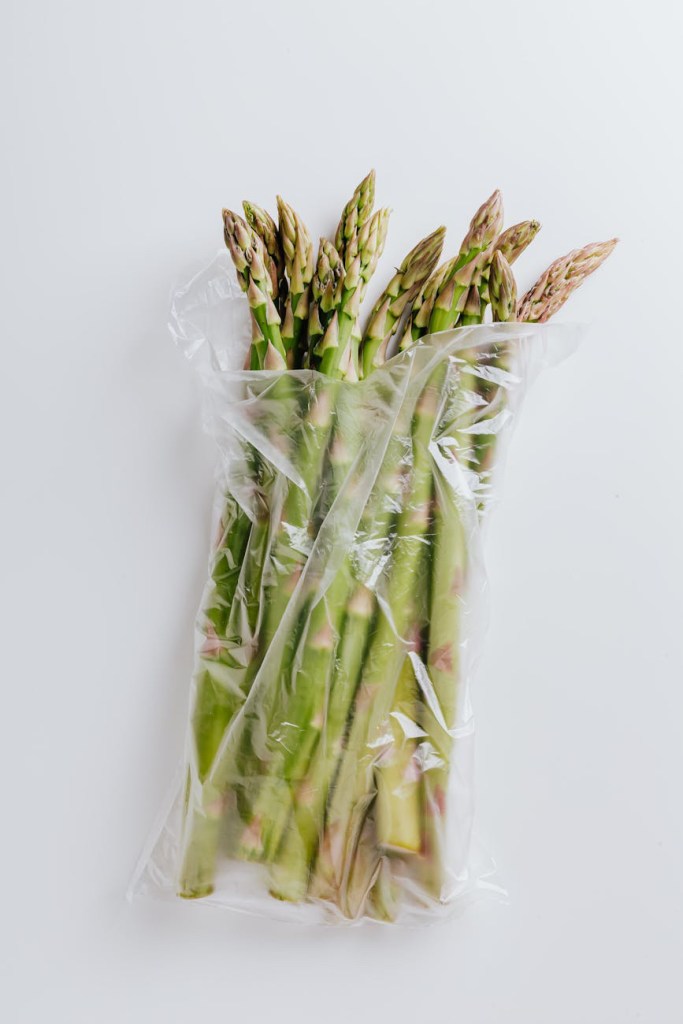
In today’s digital age, online shopping has revolutionized the way we purchase goods, including groceries. One of the significant advantages of online grocery shopping is the ability to avoid impulse purchases. Unlike traditional brick-and-mortar stores where tempting displays and promotions can lead to unplanned spending, online platforms provide a more controlled environment for shopping. By creating a shopping list in advance and sticking to it, you can resist the urge to add unnecessary items to your cart.
Additionally, online shopping offers the convenience of comparing prices with ease. With just a few clicks, you can browse different retailers and brands to find the best deals without being distracted by children or other shoppers. Being able to see your shopping cart as you work through your list also keeps you aware of how much money you spend. Price comparison tools and apps further simplify the process, allowing you to make informed decisions and maximize your savings.
Moreover, shopping online eliminates the need to navigate crowded aisles and long checkout lines, saving you valuable time and reducing stress. This convenience factor is especially beneficial for busy individuals and families juggling multiple responsibilities. By embracing online grocery shopping, you can take control of your spending, avoid impulse purchases, and make more informed choices—all from the comfort of your own home.

Strategic Shopping: The Outer Circle and Whole Foods
When it comes to grocery shopping, adopting a strategic approach can make a significant difference in both your budget and your health. One effective strategy is to focus on what’s known as the “outer circle” of the grocery store. This area typically houses fresh produce, dairy products, meat, and seafood, while processed and packaged foods are often found in the inner aisles. By prioritizing items from the outer circle, you can fill your cart with whole, nutrient-rich foods that form the foundation of a healthy diet.
Whole foods, such as fruits, vegetables, lean proteins, and whole grains, are not only nutritious but also cost-effective. While they may seem more expensive upfront compared to processed alternatives, they provide greater value in terms of nutrition per dollar. Plus, by incorporating whole foods into your meals, you can reduce your reliance on expensive pre-packaged meals and snacks.
Another benefit of focusing on whole foods is their versatility. With a little creativity, you can transform simple ingredients into delicious and satisfying meals. Whether you’re preparing a hearty salad, a nourishing stir-fry, or a comforting soup, whole foods offer endless possibilities for culinary exploration.
By making the outer circle your primary shopping destination and prioritizing whole foods, you’ll not only save money but also support your overall health and well-being. This strategic approach to grocery shopping ensures that you’re investing in the ingredients that matter most, setting the stage for nutritious and budget-friendly meals.

Bulk Buying for Household Essentials
In the quest to save money on groceries, bulk buying emerges as a powerful tool in your arsenal. Purchasing household essentials in larger quantities can lead to significant savings over time. Items such as rice, pasta, beans, toilet paper, and diapers are perfect candidates for bulk buying, as they are non-perishable and have a long shelf life.
One of the key advantages of buying in bulk is the cost-effectiveness it offers. Many retailers provide discounts or special pricing for bulk purchases, allowing you to stretch your grocery budget further. By stocking up on frequently used items, you can reduce the need for frequent trips to the store and take advantage of lower unit prices.
Additionally, buying in bulk can help you save time and energy by minimizing the need for last-minute runs to the store. With a well-stocked pantry and household supply closet, you’ll always have essential items on hand when you need them, eliminating the stress of running out of necessities.
When it comes to toiletries and household products, buying in bulk can also extend beyond groceries. Items like toothpaste, shampoo, laundry detergent, and cleaning supplies are often available in larger sizes at a lower cost per unit. By purchasing these items in bulk, you can save money and reduce packaging waste in the process.
By embracing bulk buying for household essentials, you’ll not only save money but also streamline your shopping routine and ensure you’re always prepared. With a little planning and foresight, you can leverage bulk purchases to maximize your savings and minimize the hassle of frequent trips to the store.
Economizing on Toiletries and Household Products
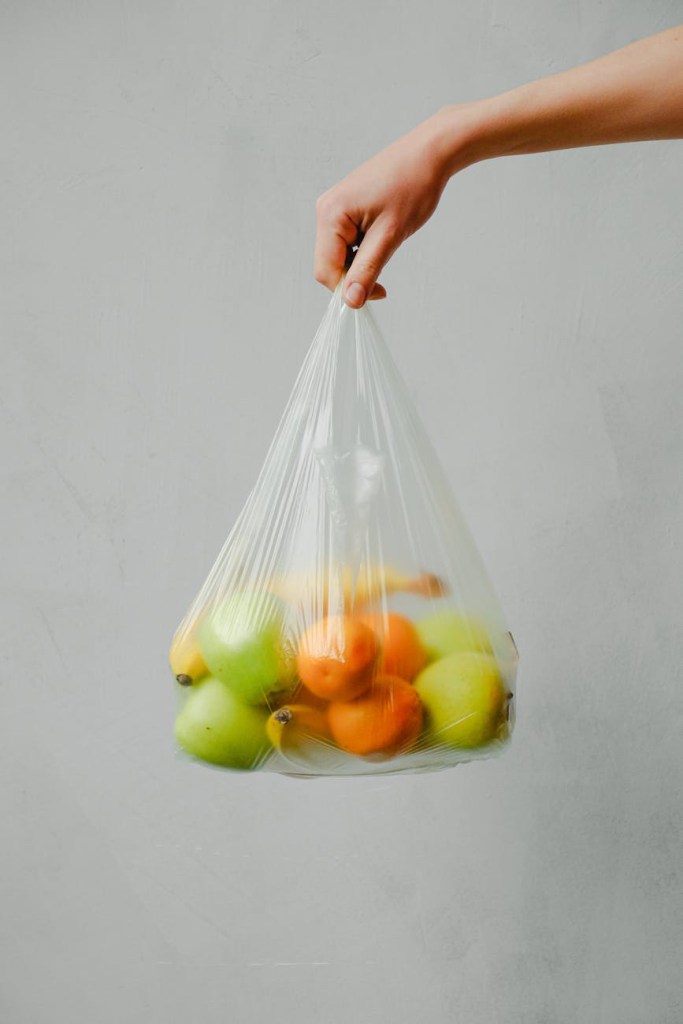
While groceries often take center stage in budget-saving discussions, it’s important not to overlook the potential savings in toiletries and household products. Toothpaste, shampoo, conditioner, soap, and other personal care items are necessities that can quickly add up in cost. However, with a strategic approach to purchasing these products, you can significantly reduce your expenses.
One effective strategy is to buy toiletries and household products in bulk whenever possible. Many retailers offer larger sizes or multipacks at a lower cost per unit, allowing you to save money in the long run. By stocking up on items you use regularly, you can avoid paying full price for individual products and reduce the frequency of shopping trips.
Another tip for economizing on toiletries and household products is to look for generic or store-brand options. These products often provide comparable quality to their name-brand counterparts at a fraction of the cost. By opting for generic versions of items like shampoo, soap, and cleaning supplies, you can achieve significant savings without sacrificing performance.
Additionally, consider extending the lifespan of toiletries and household products to maximize their value. For example, cutting open tubes of toothpaste or squeezing out every last drop of shampoo can help you get the most out of each purchase. Similarly, using cleaning products sparingly and diluting them as needed can stretch your supply further and reduce waste.
By adopting these strategies for economizing on toiletries and household products, you can lower your overall expenses and free up more room in your budget for other essentials. With a little creativity and savvy shopping, you can achieve significant savings without sacrificing quality or convenience.

Freeze and Save for Later
One of the most effective ways to stretch your grocery budget and minimize food waste is by embracing the power of freezing. Freezing allows you to preserve perishable items for later use, extending their shelf life and reducing the likelihood of spoilage. By strategically freezing food, you can take advantage of sales and bulk discounts without worrying about items going to waste.
Meal prepping and batch cooking are popular techniques for leveraging the freezer to save both time and money. By preparing large batches of meals in advance and portioning them into individual servings, you can create a convenient supply of ready-to-eat meals for busy days. Simply freeze the portions you won’t consume immediately, and you’ll have homemade meals on hand whenever you need them.
In addition to prepared meals, many ingredients can be frozen for later use. Meat, poultry, fish, and even fruits and vegetables can all be safely frozen to preserve their freshness. Consider buying in bulk when these items are on sale and freezing them in smaller portions for future meals. This not only saves money but also reduces the need for frequent trips to the store.
Another benefit of freezing is its ability to prevent food waste. Instead of letting leftovers languish in the fridge until they spoil, freeze them for later enjoyment. Soups, stews, casseroles, and baked goods can all be frozen and reheated with minimal effort, providing convenient and budget-friendly meal options.
By incorporating freezing into your meal planning and grocery shopping routine, you can unlock a world of savings and convenience. Whether you’re batch cooking meals, preserving seasonal produce, or saving leftovers for another day, the freezer is a valuable tool for savvy shoppers looking to make the most of their grocery budget.

Shop in Season
When it comes to saving money on groceries, timing is key. Shopping for fruits and vegetables when they’re in season can lead to significant savings while also ensuring peak freshness and flavor. Seasonal produce is often abundant and locally sourced, making it more affordable than out-of-season options that have to be imported from afar.
One of the benefits of shopping in season is the lower cost of produce. When fruits and vegetables are in abundance, prices tend to drop as farmers and retailers seek to move their inventory. This means you can enjoy a wider variety of fresh, high-quality produce without breaking the bank.
Furthermore, shopping in season allows you to support local farmers and reduce your carbon footprint. By purchasing locally grown produce, you’re not only getting the freshest ingredients possible but also contributing to the sustainability of your community’s food system. Additionally, buying locally reduces the environmental impact of transporting goods over long distances, further aligning with eco-friendly principles.
In addition to fruits and vegetables, other seasonal items such as seafood and meats may also be more affordable during certain times of the year. By planning your meals around seasonal ingredients, you can take advantage of lower prices and enjoy a diverse range of flavors throughout the year.
Overall, shopping in season is a smart and sustainable way to save money on groceries while supporting local farmers and enjoying the freshest ingredients available. By staying attuned to the natural rhythms of the growing season, you can maximize your savings and elevate your culinary experiences.

Opt for Canned Goods or Frozen Over Fresh
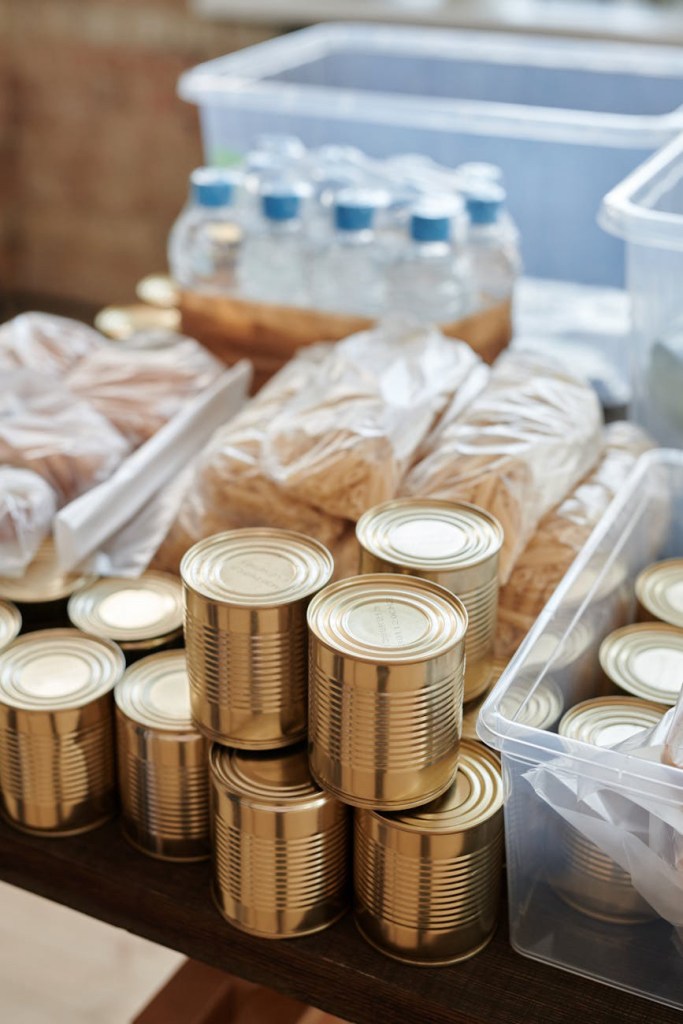
While fresh produce is often prized for its flavor and nutritional value, opting for canned goods or frozen alternatives can be a budget-friendly choice without sacrificing quality. Canned and frozen fruits, vegetables, and other items offer several advantages over their fresh counterparts, including affordability, convenience, and extended shelf life.
One of the primary benefits of canned and frozen goods is their cost-effectiveness. These items are typically less expensive than fresh produce, making them an attractive option for budget-conscious shoppers. By stocking up on canned fruits and vegetables when they’re on sale or purchasing frozen items in bulk, you can save money while still enjoying a variety of nutritious options.
In addition to being budget-friendly, canned and frozen goods offer convenience and versatility. They require minimal preparation and can be easily incorporated into a wide range of recipes, from soups and stews to smoothies and stir-fries. Plus, since they’re already cleaned, chopped, and portioned, they can help streamline meal preparation and reduce food waste.
Another advantage of canned and frozen goods is their extended shelf life. Unlike fresh produce, which can spoil relatively quickly, canned and frozen items can be stored for months or even years without compromising quality. This allows you to stock up on essentials when they’re on sale and have them on hand for whenever you need them.
By incorporating canned goods and frozen alternatives into your meal planning and grocery shopping routine, you can enjoy significant savings without sacrificing taste or nutrition. Whether you’re looking to stretch your budget or simply streamline your cooking process, canned and frozen goods are valuable assets in your quest for affordable and delicious meals.
As a homeschooling mom of eight who once faced the daunting challenge of being $30,000 in debt, with 4 young children. I understand firsthand the transformative power of dedication and frugal living. Through careful planning, strategic budgeting, and a commitment to making every dollar count, my husband and I have been able to radically change our financial trajectory and create a brighter future for ourselves and our children.

By implementing the strategies outlined in this blogpost, from meal planning and bulk buying to freezing and shopping in season, we’ve been able to significantly reduce our grocery expenses while still providing nutritious and satisfying meals for our large family. We’ve learned to prioritize whole foods, embrace bulk buying for household essentials, and make the most of our resources through careful meal preparation and preservation.
Moreover, by shopping online to avoid impulse purchases and comparison shopping without distractions, we’ve been able to stretch our budget even further and make smarter choices with our spending. We’ve become savvy shoppers, always on the lookout for sales, discounts, and opportunities to save money without sacrificing quality or convenience.
Through our journey of frugal living, we’ve not only overcome financial challenges but also transformed our family’s legacy for generations to come. By instilling in our children the values of resourcefulness, resilience, and responsible stewardship, we’re empowering them to build a solid foundation for their own futures and hopefully break the cycle of debt and financial struggle.
As a homeschooling mom who has experienced her fair share of hard knocks, I encourage others to embark on their own journey towards financial freedom. By embracing dedication, discipline, and a willingness to embrace change, anyone can radically transform their family’s legacy and create a brighter future for themselves and their loved ones. With perseverance and determination, the possibilities are limitless.
 Faith, Family & Fun
Leave a comment